Inefficient driving is one of the biggest silent enemies of fleet profitability. Many companies assume that high fuel consumption, premature wear or road incidents are simply “part of the business”, when in reality they are often the direct result of poor driving habits.
Detecting these behaviours early not only improves safety, but can also lead to thousands of euros in savings every year in fuel, maintenance and vehicle downtime.
In this article, we explain how to identify inefficient driving, which warning signs to look out for and how much money it really costs not to take action.
What Is Considered Inefficient Driving in a Vehicle Fleet?
Inefficient driving occurs when driver behaviour leads to an unnecessary use of resources, increases the risk of breakdowns or reduces the vehicle’s lifespan.
The most common behaviours include:
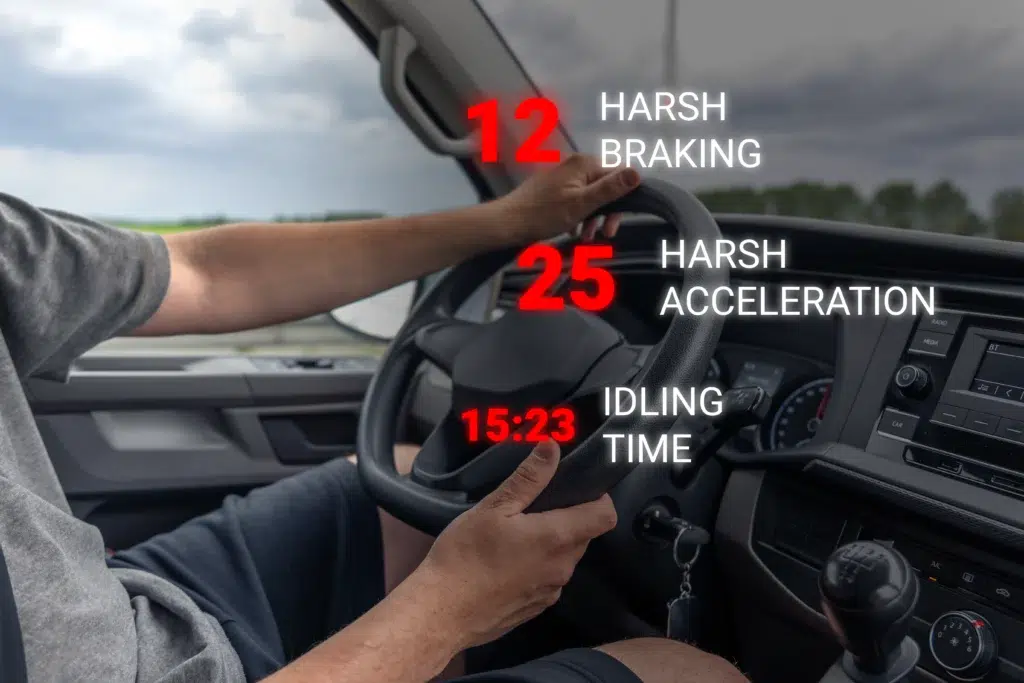
- Harsh acceleration and sudden braking
- Repeated speeding
- Excessive engine idling
- Poor gear shifting
- Lack of anticipation while driving
These patterns are difficult to detect manually, especially in medium or large fleets where direct supervision is not feasible.
👉 This is where fleet management systems like FlotasNet (link to Flotasnet Solution page), play a key role, turning driving behaviour into measurable, actionable data.
Clear Signs Your Fleet Has Inefficient Driving Issues
If any of the following situations sound familiar, inefficient driving is very likely affecting your fleet:
Higher-Than-Expected Fuel Consumption
Two similar vehicles, same routes… but very different fuel usage.
This is often directly linked to driving style.
Increasing Maintenance Costs
Premature brake wear
Early clutch failures
Reduced tyre lifespan
More Incidents and Vehicle Downtime
Every vehicle off the road is a vehicle that is not generating revenue.
Inefficient driving accelerates breakdowns and reduces fleet availability.
Higher Number of Incidents and Penalties
Speeding and harsh manoeuvres increase accident risk and may lead to:
- Traffic fines
- Reputational damage
- Higher insurance premiums
How Much Does It Cost Not to Correct Inefficient Driving?
One of the most common mistakes companies make is not calculating the real financial impact.
As a general reference, inefficient driving can result in:
Up to 15–20% higher fuel costs
Significantly increased annual maintenance expenses
Productivity losses due to unplanned downtime
Faster vehicle replacement cycles
For fleets with 50 or 100 vehicles, this can easily mean tens of thousands of euros per year.
How to Detect Inefficient Driving Using Real Data
The only reliable way to improve is to measure — and measure properly.
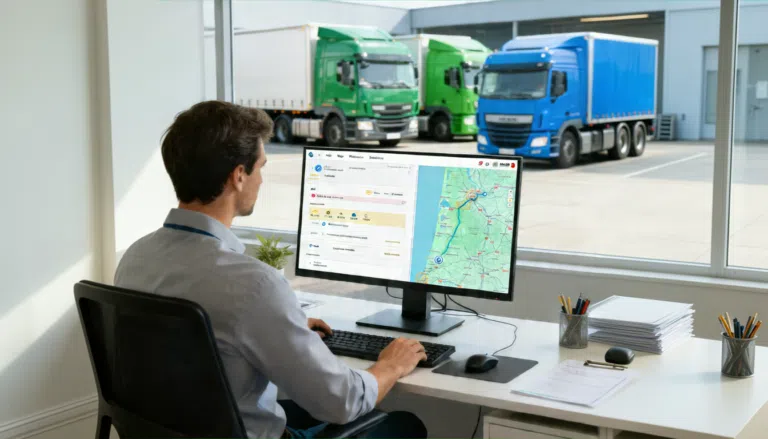
A fleet management software solution allows you to analyse key indicators such as:
- Harsh acceleration and braking events
- Speeding by road segment
- Idling time per vehicle
- Driver and route comparisons
- Fuel consumption trends over time
All of this can be monitored through platforms like FlotasNet (link to product page), which transform raw data into clear insights for fleet managers.
From Detection to Improvement: What to Do With the Data
Identifying the problem is just the first step. The most efficient companies use this data to:
- Train drivers using objective information
- Define efficient driving policies
- Reward good driving practices
- Reduce costs without impacting operations
This approach is not about punishment, but about improving overall fleet performance.
Efficient Driving: A Real Competitive Advantage
Correcting inefficient driving delivers more than cost savings. It also brings:
✅ Improved safety
✅ Longer vehicle lifespan
✅ More engaged drivers
✅ Better brand image
✅ More sustainable operations
In an increasingly competitive environment, managing driving behaviour effectively is a strategic advantage, not a minor detail.
Conclusion
Inefficient driving is one of the factors with the greatest impact on fleet costs — and also one of the easiest to improve when you have reliable data.
If you want to understand how your fleet is really being driven and how much you could save, the key lies in using an advanced FlotasNet (contact us).