Fleet management has changed radically in recent years. Companies that continue to operate using manual processes or have little visibility over their vehicles are losing ground to those that have already made the leap to digitalisation.
Nowadays, having real-time data is not a bonus, it is a necessity. Solutions such as FlotasNet enable companies to monitor, optimise and improve their entire operations, reducing costs and increasing efficiency.
In this article, we explain how technology can help you transform your fleet and achieve real savings.En este artículo te explicamos cómo la tecnología puede ayudarte a transformar tu flota y conseguir ahorros reales.
1. The major problem facing many fleets: a lack of visibility
One of the main challenges in the transport sector is a lack of control over day-to-day operations:
- Sub-optimal routes
- High fuel consumption
- Inefficient use of vehicles
- Lack of control over drivers
Without data, it is impossible to improve.
Fleet management platforms allow real-time monitoring of the location, performance and condition of each vehicle, facilitating strategic decision-making.
2. Fleet digitalisation: what it really means
Digitalising a fleet is not just about installing GPS. It means transforming the way you work through:
- Real-time tracking
- Driving data analysis
- Process atomation
- Smart reporting
With advanced tools, companies can move from reacting to problems to anticipating them.
3. 5 ways to cut costs with a fleet management solution
1. Route optimisation
Reducir kilómetros innecesarios implica menos combustible y
más productividad.
La planificación inteligente permite mejorar tiempos de entrega y reducir
retrasos.
2. Fuel savings
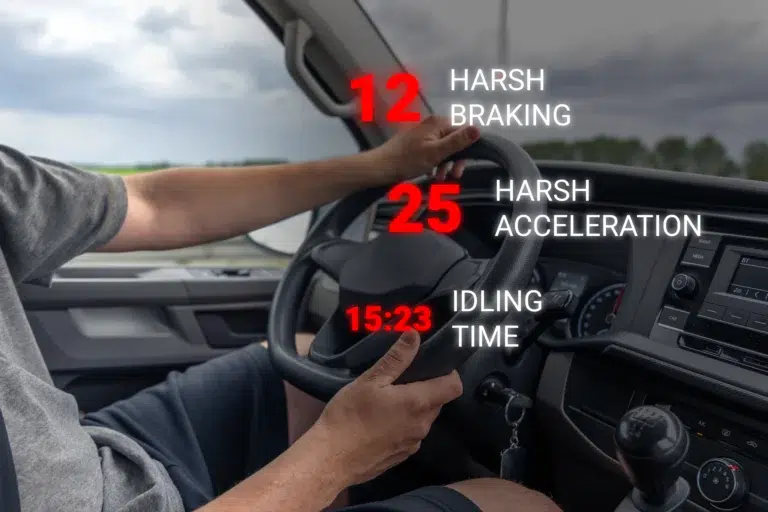
Monitoring idling, sudden acceleration and braking helps improve driving habits.
Result: lower fuel consumption and reduced wear and tear on the vehicle.
3. Preventive maintenance
Detecting issues before they occur prevents costly breakdowns and downtime.
4. Increased productivity
Knowing where each vehicle is and what it is doing enables you to:
- Allocate jobs more effectively
- Reduce downtime
- Improve planning
5. Reduced risks and accidents
Monitoring driver behaviour improves safety and reduces incidents.
4. The real impact: data that makes a difference
Companies that implement fleet management solutions can achieve:
- A reduction in operating costs of up to 20%
- Improved route efficiency
- Greater control and traceability of the fleet
- Increased safety
Furthermore, access to real-time data enables faster and more accurate decision-making.
5. The future: connected fleets and smart decisions
The sector is moving towards a model based on:
- IoT (connected vehicles)
- Big Data
- Artificial intelligence
Companies that adopt these technologies will not only reduce costs but also gain in competitiveness and growth potential.
Digitalisation is no longer an option; it is the way to remain competitive in the transport sector.
Investing in fleet management solutions not only improves day-to-day operations but also has a direct impact on business profitability.
If your company is not yet harnessing the potential of data, now is the time to start.